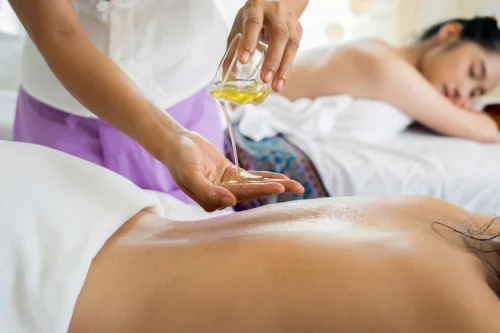
Warming massage oil is often used to make massage feel more soothing, comforting, and relaxing — especially in cooler environments or slower massage styles 🌿 Many people notice that warm oil simply feels better on the skin, but few stop to consider why warmth has such a powerful effect during massage.
Warming massage oil works by gently increasing skin temperature, encouraging circulation, and helping the body relax more quickly during massage. The sensation of warmth can make touch feel more comforting, allow muscles to soften, and support a calmer nervous system response 😌
While warming massage oil may seem like a small detail, there is real physiology behind why warmth and massage work so well together. In this article, we’ll explore how warming massage oil affects the body, why it can improve comfort during massage, and when it’s most useful — without exaggeration or product hype.
Table of Contents
How Does Warming Massage Oil Work?
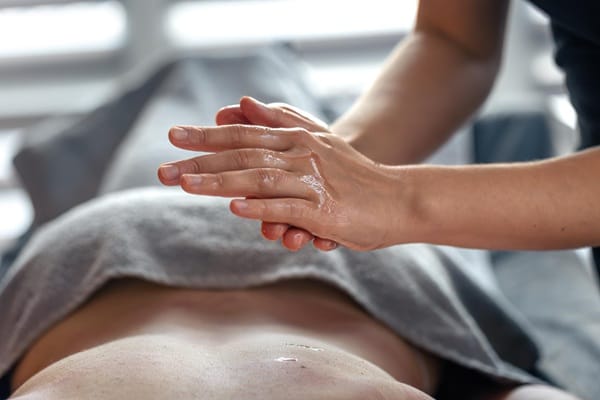
Warming massage oil refers to any massage oil that creates a mild warming sensation when applied to the skin. This warmth may come from the oil being gently warmed beforehand, from warming ingredients, or simply from friction and increased blood flow during massage.
Importantly, warming massage oil should never feel hot. The goal is subtle, gradual warmth that feels soothing rather than intense. When used properly, warming massage oil enhances comfort without overwhelming the senses 🌿
How Warmth Affects the Body During Massage
Warmth has a natural calming effect on the body. When the skin senses warmth, blood vessels near the surface gently expand, allowing more blood to flow through the area. This increase in circulation helps tissues feel softer and more receptive to touch.
At the same time, warmth sends signals to the nervous system that it is safe to relax. Breathing often slows, muscle guarding decreases, and the body shifts out of a stress response. This is one of the main reasons warming massage oil can help people settle more quickly into a massage session 🤍
Why Warming Massage Oil Can Improve Muscle Relaxation
Muscles tend to hold tension when the body feels cold, stressed, or rushed. Applying warm oil during massage can help reduce that resistance.
As the skin warms, muscle fibres underneath may become more pliable, allowing massage strokes to feel smoother and less intrusive. Warming massage oil does not treat muscle pain directly, but it can make massage feel more comfortable and effective, particularly in cooler environments or during slower, relaxation-focused sessions.
The Role of Sensation and Comfort
One reason warming massage oil works so well is sensory comfort. Warmth creates a reassuring baseline sensation that makes touch feel more predictable and calming.
This can reduce startle responses when hands first make contact with the skin and help the body remain relaxed throughout the session. For many people, this added comfort improves trust and allows them to stay present rather than tense or distracted 😌
Does Warming Massage Oil Increase Circulation?
Yes — indirectly. The warmth associated with warming massage oil can support increased circulation by encouraging blood vessels to dilate slightly. Combined with massage strokes, this can help promote blood flow through soft tissues.
Improved circulation supports oxygen delivery to muscles and contributes to the overall feeling of warmth and relaxation during massage. This is why warming massage oil is often preferred for longer sessions or gentler massage styles.
Is Warming Massage Oil the Same as Heated Oil?
Not exactly. Heated oil refers to oil that has been physically warmed before application. Warming massage oil may feel warm due to temperature, ingredients, or the massage process itself.
Both approaches can feel comforting, but warming massage oil should never feel hot or cause discomfort. Gentle warmth is always the goal — anything too intense can become distracting or irritating to the skin.
If you’re interested in gentle methods, learning how to warm massage oil at home can help improve comfort without overheating.
When Warming Massage Oil Is Most Helpful
Warming massage oil is often appreciated:
- In cooler weather
- During relaxation or stress-relief massage
- By people who tend to feel cold easily
- At the beginning of a massage to ease initial tension
It may be less noticeable or unnecessary during fast-paced or very light massage styles.
Safety Considerations When Using Warming Massage Oil
While warming massage oil is generally safe when used properly, moderation is important. Oils that create strong heating sensations can irritate sensitive skin or feel uncomfortable if overused.
It’s best to:
- Test oils on a small area first
- Avoid broken or irritated skin
- Use gentle warmth rather than intense heat
- Stop use if redness or discomfort develops
For people with sensitive skin, fragrance-free massage oil warmed naturally through the hands may be the safest option 🌿
Warming Massage Oil and Relaxation
One of the most valuable effects of warming massage oil is how it supports relaxation. Warmth combined with rhythmic touch encourages the parasympathetic nervous system — the body’s “rest and digest” mode.
This can help reduce feelings of stress, promote calmer breathing, and make it easier to remain relaxed during and after massage. In this way, warming massage oil enhances the massage experience without needing to be dramatic or intense.
Frequently Asked Questions
Does warming massage oil actually change muscle tissue?
Warming massage oil does not change muscle structure, but it can help muscles feel more relaxed by increasing circulation and reducing protective tension. The warmth makes tissues feel more receptive to massage, which can improve comfort during a session.
Is warming massage oil safe for everyone?
Most people tolerate warming massage oil well, but those with sensitive skin, circulation issues, or nerve sensitivity should be cautious. Testing a small area first and avoiding strong warming ingredients helps reduce the risk of irritation.
Can warming massage oil be used with essential oils?
Yes, warming massage oil can be combined with diluted essential oils, provided proper dilution and skin safety guidelines are followed. Used carefully, scent and warmth together can support relaxation without overpowering the massage.
Does warming massage oil work better than regular massage oil?
It’s not about being better — it’s about comfort. Warming massage oil can feel more soothing for some people, especially in cooler conditions, while others prefer standard massage oil. Personal preference matters most.
Final Thoughts
So, how does warming massage oil work?
By gently increasing skin warmth, supporting circulation, and helping the nervous system relax, warming massage oil makes massage feel more comfortable and inviting 🌿
When used thoughtfully, warming massage oil enhances the overall massage experience without needing to be intense or exaggerated. As with most massage techniques, simplicity and moderation are what make it most effective.
Reviewed December 2025 by John Winter, Licensed Massage Therapist
📚 References
- NIH: Effect of Massage Therapy on Pain, Anxiety, and Stress in Patients With Cancer: A Systematic Review and Meta-Analysis
- NIH: Systematic Review of the Efficacy of Massage Therapy for Chronic Pain Management
- Cleveland Clinic: Massage Therapy: Benefits, Types, and What to Expect
⚠️ Disclaimer:
This article is for informational purposes only and does not constitute medical advice. Always consult with a licensed healthcare provider or certified massage therapist before beginning any new treatment, especially if you have pre-existing health conditions or concerns.
About The Author