If a massage therapist has ever drummed quickly along your back with the edges of their hands, you’ve experienced tapotement. It’s one of the classic strokes of Swedish massage, and it’s the one people tend to remember because it sounds and feels so different from slow, gliding strokes.
Below, you’ll find what tapotement means, the five ways it’s done, what research says it actually does to your muscles and where it should never be used.
Quick Answer: What Is Tapotement?
Tapotement (pronounced tah-POHT-mahnt) is a massage technique made up of quick, rhythmic percussion strokes such as hacking, cupping, beating, tapping and slapping. The name comes from the French tapoter, meaning “to tap.” Therapists use it in short bursts, usually in Swedish or pre-event sports massage, and only over thick, fleshy muscles.
Table of Contents
What Is Tapotement in Massage?
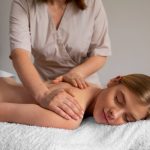
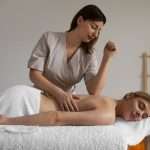
It is one of the five core strokes of Swedish massage, alongside effleurage (long gliding strokes), petrissage (kneading), friction and vibration. Where effleurage soothes, tapotement is brisk: the hands strike the body lightly and rapidly, then bounce away.
In the US, this stroke even appears in insurance billing. CPT code 97124, the code used for therapeutic massage, describes massage “including effleurage, petrissage and/or tapotement,” so you may spot it on a receipt or superbill.
A therapist normally uses it for seconds rather than minutes, often near the end of working an area or to wake up muscles before activity.

The 5 Tapotement Techniques
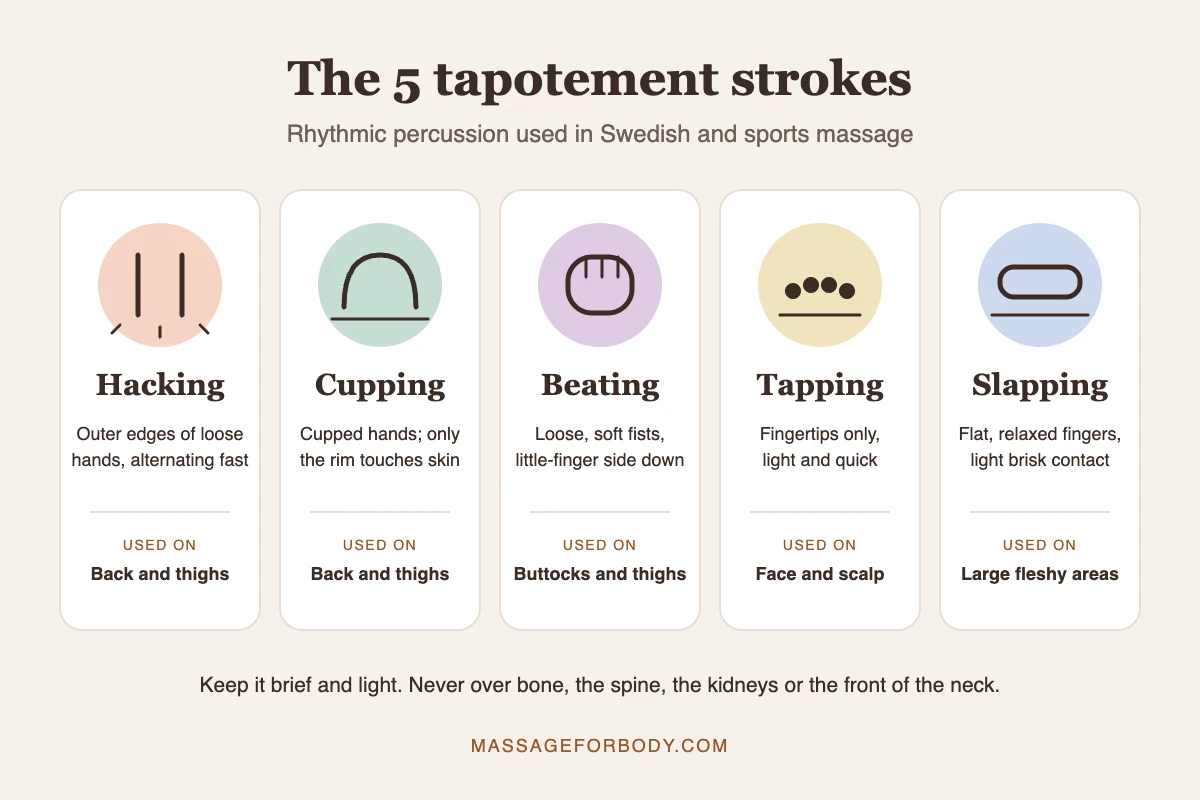
Every percussion stroke relies on loose wrists and relaxed hands, so each strike lands lightly and springs back. What changes is the part of the hand that makes contact.
Hacking
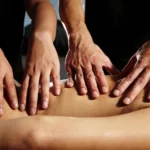
The most recognizable form. With fingers relaxed, the therapist strikes alternately with the little-finger edge of each hand in a quick rhythm, like a gentle drumroll. It’s used on large muscles such as the upper back, hamstrings and calves.
Cupping
The hands are shaped as if holding water, fingers and thumb together, and only the rim of the hand touches the skin. The trapped air makes a hollow “clop” sound, and it feels lighter than it sounds. This is different from cupping therapy, which uses suction cups.
Beating (Pounding)
Loose, soft fists strike with the little-finger side. It’s the heaviest form, kept for thick muscle like the buttocks and thighs and never used over bone.
Tapping
Only the fingertips make contact, like light rain on the skin. It’s gentle enough for the scalp and face and often features in facial massage or at the end of a session.
Slapping
Light, brisk contact with flat, relaxed fingers. Done well, it leaves the skin warm and pink without stinging. It’s used briefly over large, fleshy areas.
Some textbooks also include plucking, a quick pinch-and-release of the skin, as a percussion stroke.
What Does Tapotement Do?
Percussion is often described as stimulating, and it does make the skin warm and slightly flushed as blood comes to the surface. Research on what it does to the muscles underneath, though, points in an unexpected direction.
In a 2024 randomized trial published in Brain Sciences, 15 healthy adults had a device tap the Achilles tendon for about two and a half minutes. Their calf muscle’s stretch reflex dropped by about 17% afterward, while a sham treatment had no effect. Earlier lab studies reviewed by the same researchers found similar short-lived dips after other massage strokes.
A study in the Journal of Sports Science and Medicine gave 19 people three minutes of calf massage, using either tapotement at four taps per second or kneading. Ankle flexibility improved modestly, with no loss of jumping or calf-raise power, which suggests a brief massage can sit within a warm-up.
Taken together, these strokes seem to calm the reflex that makes a muscle tighten when stretched, at least for a short time, rather than firing up strength. Claims that it flushes toxins, breaks down fat or speeds healing aren’t supported by good evidence.
You may also come across chest percussion, a form of cupping used in airway clearance for people with conditions such as cystic fibrosis. The Cystic Fibrosis Foundation describes it as part of chest physical therapy prescribed and taught by a care team, so it isn’t a home remedy for a chest cold.
When Do Massage Therapists Use Tapotement?
- Swedish massage: short bursts to add variety and finish working an area. Read more in our guide to Swedish massage.
- Pre-event sports massage: brisk strokes as part of a warm-up before training or competition. See what a sports massage involves.
- Facial and scalp massage: fingertip tapping around the forehead, cheeks and scalp.
- Ending a session: a few seconds of light percussion can help you feel alert before you get up.
Most therapists check first, because some clients find percussion jarring. If you’d rather skip it, just say so.

Where Should Tapotement Never Be Used?
Because it involves striking the body, percussion needs more care than gliding strokes. Avoid it over:
- bony areas such as the shins, kneecaps, collarbones and the spine
- the kidney area of the lower back, either side of the spine just below the ribs
- the front and sides of the neck, and the back of the knee
- varicose veins, bruises, burns, rashes or healing wounds
- muscles that are injured, inflamed or recently operated on
- areas with reduced feeling or weakened muscles
Mayo Clinic notes that massage may not be appropriate if you have a bleeding disorder or take blood thinners, deep vein thrombosis, fractures, severe osteoporosis or a very low platelet count, and advises talking to a doctor first if you’re pregnant, have cancer or have unexplained pain. Vigorous percussion deserves the same caution.

Tapotement vs a Massage Gun
A percussive massage gun is essentially mechanical tapotement: a motor drives a head back and forth many times a second. The idea is similar, but there are differences:
- Speed and depth: a gun strikes faster and often deeper than hands, so it needs extra care around bone, joints and nerves.
- Feedback: a therapist feels how your tissue responds and adjusts; a device can’t.
- Convenience: a gun lets you work your own calves, thighs and glutes at home.
If you own one, our guide on how to use a massage gun covers speeds, attachments and areas to avoid.
Can You Do Tapotement on Yourself?
Yes, on muscles you can reach comfortably. Light hacking or loose-fist beating on your thighs and calves, or fingertip tapping on your scalp, makes a quick wake-up or part of a warm-up. Keep it brief, around 20 to 30 seconds per area, let your wrists stay loose so your hands bounce off, and stay away from bone and joints. If it hurts or leaves bruises, it’s too hard.

For more strokes you can practice, browse our massage techniques guides.
Frequently Asked Questions
Does tapotement hurt?
It shouldn’t. Done well, it feels brisk and tingly, and your skin may look a little pink afterward. The hands bounce off rather than pressing in, so the force stays light. If any stroke feels sharp, jarring or painful, tell your therapist. They can lighten the pressure, switch to fingertip tapping or leave it out of your session entirely.
Is tapotement part of Swedish massage?
Yes. It is one of the five classic Swedish massage strokes, together with effleurage, petrissage, friction and vibration. In a typical Swedish session it’s used briefly, often toward the end of working an area, while gliding and kneading strokes make up most of the treatment. Some therapists skip it altogether for clients who want a purely relaxing massage.
What is the difference between massage cupping and cupping therapy?
Massage cupping is a percussion stroke in which the therapist strikes the skin with hollowed hands. Cupping therapy is a separate treatment that uses glass, plastic or silicone cups and suction to lift the skin, sometimes leaving round marks. They share a name but work in completely different ways, and cupping therapy isn’t a form of tapotement.
How long should tapotement last?
Usually seconds to a minute or two per area. Studies of percussion as part of a warm-up used around two to three minutes on a whole muscle group. Going much longer can leave muscles feeling tired rather than lively and may irritate the skin. Short, rhythmic bursts with loose, relaxed hands are the standard approach therapists use.
Is tapotement good before exercise?
It can be a reasonable part of a warm-up. In one study, three minutes of calf massage modestly improved ankle flexibility without reducing jump or calf-raise power. It doesn’t replace an active warm-up, though, so follow it with light movement such as easy jogging or dynamic stretches before you train or compete.
The Bottom Line
Tapotement is the percussion family of massage: hacking, cupping, beating, tapping and slapping. Used in short, light bursts over thick muscle, it adds warmth and a brisk, wake-up feel to Swedish and sports massage.
The science is modest. It appears to briefly relax muscle reflexes rather than build strength, and it isn’t suitable over bone, the kidneys, the neck or injured tissue. If you’re curious, ask your therapist to include a little at your next session and see how it feels.
References
- Zschorlich VR, Qi F, Schorer J, Büsch D. Sensory stimulation of the triceps surae muscle complex modulates spinal reflex responses: a comparison between tapotement massage and repetitive peripheral magnetic stimulation (rPMS). Brain Sciences. 2024;14(2):119.
- McKechnie GJB, Young WB, Behm DG. Acute effects of two massage techniques on ankle joint flexibility and power of the plantar flexors. Journal of Sports Science and Medicine. 2007;6(4):498–504.
- CareCloud. CPT 97124: Therapeutic procedure, massage.
- Mayo Clinic. Massage: Get in touch with its many benefits.
- Cystic Fibrosis Foundation. Chest Physical Therapy.
Disclaimer:
This article is for general information only and is not a substitute for professional medical advice. Check with your doctor before having percussion massage if you have a medical condition, are pregnant or take blood-thinning medication, and stop any technique that causes pain.