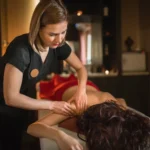
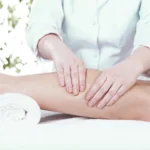
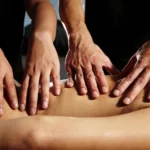
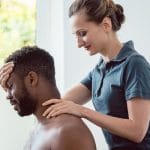
Are you looking for an effective way to unlock the healing power of touch? Massage therapy is a popular, proven way to help people relax and rejuvenate their bodies. Learning how to become a massage therapist can be a rewarding and fulfilling career choice. In this article, we will discuss how to learn massage therapy and the various paths you can take to become a qualified massage therapist. We will also look at the benefits of massage and provide tips for ensuring a successful career in massage therapy.
Benefits of Massage Therapy

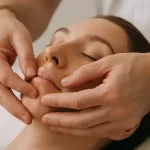
Massage therapy has numerous benefits, from relieving stress to treating chronic pain. The healing power of touch helps to reduce anxiety, improve circulation, reduce inflammation and stimulate the body’s natural healing processes. Massage therapy can also help to improve flexibility and mobility, as well as providing a sense of relaxation and well-being.
- Relieves stress and anxiety
- Improves circulation
- Reduces inflammation
- Stimulates natural healing processes
- Improves flexibility and mobility
- Provides a sense of relaxation and well-being
If you are interested in learning massage therapy and unlocking the healing power of touch, there are many educational opportunities available. You can look for massage therapy courses offered by schools, spas and other organizations. You can also find information online about where to learn massage.
Types of Massage Therapy

Swedish Massage: This type of massage is the most popular and is based on the Western concepts of anatomy and physiology. It combines five different strokes, kneading, rubbing, tapping, vibration and rolling, to relax and energize the body.
Deep Tissue Massage: This type of massage uses slower and more forceful strokes than Swedish massage. It is used to target the deeper tissues of the body, such as the connective tissues, ligaments and fascia.
Trigger Point Massage: This type of massage focuses on areas of tightness and pain in the muscles. It uses finger pressure to release the knots in the muscles.
Aromatherapy Massage: This type of massage incorporates the use of essential oils. The oils are inhaled to aid in relaxation and rubbed into the skin to help reduce pain, stress and tension.
Sports Massage: This type of massage is used to help athletes prepare for and recover from sports events and activities. It helps to improve performance, reduce fatigue and prevent injuries.
Hot Stone Massage: This type of massage uses heated stones that are placed on the body. The heat helps to relax the muscles, reduce tension and promote relaxation.
Reflexology: This type of massage involves the application of pressure to specific points on the feet or hands. It is believed to help improve circulation, reduce stress and promote relaxation.
Where to Learn Massage Therapy

Schools and Institutes
Massage therapy schools and institutes offer a variety of courses for beginners and experienced therapists. These courses range from short-term certificate programs to more comprehensive diplomas and degrees. The curriculum depends on the school, but typically includes courses on anatomy, physiology, massage techniques, theory, and ethics. These courses also provide hands-on training and practice, which can be invaluable in mastering massage therapy.
Online Learning
Online massage therapy courses provide an alternative to traditional schools and institutes. These courses are typically self-paced and offer the same basic curriculum as their in-person counterparts. The advantage of online learning is that it is more flexible and accessible, allowing you to learn at your own pace and in the comfort of your own home. However, it is important to be aware that online courses may not provide the same level of hands-on training as in-person courses.
What to Expect in a Massage Therapy Course

- Hands-on experience: Massage therapy courses provide a comprehensive hands-on education in massage techniques.
- Skills development: Courses cover a variety of massage techniques, including Swedish massage, Shiatsu, and sports massage.
- Anatomy and physiology: You will learn the basics of anatomy and physiology, as well as the effects of massage on various body systems.
- Communication and ethics: You will learn how to communicate effectively with clients, as well as the ethical principles of massage therapy.
- Business skills: You will learn how to run a successful massage therapy practice, including marketing, bookkeeping, and legal considerations.
- Assessment and diagnosis: You will gain skills in assessing and diagnosing clients and developing treatment plans.
- Examination and testing: You will learn how to perform various assessments and tests to assess clients’ health and well-being.
- Practice management: You will learn how to manage a massage therapy practice, including staffing and scheduling.
Types of Certifications

Massage therapy certifications come in various forms and styles, allowing massage therapists to specialize in a particular technique or area of practice. Certification typically requires completing a program at an accredited massage therapy school, but some certifications are available online.
Certification from the National Certification Board for Therapeutic Massage & Bodywork (NCBTMB): This is the most widely recognized massage certification in the United States. It is recommended for massage therapists who wish to practice in a variety of settings, including private practice, spas, and clinics.
Certification from the American Massage Therapy Association (AMTA): This certification is designed to recognize massage therapists who demonstrate a high level of knowledge and skill in their practice. It is recommended for massage therapists who wish to specialize in a particular technique or area of practice.
Certification from the National Certification Commission for Acupuncture and Oriental Medicine (NCCAOM): This certification is designed to recognize massage therapists who demonstrate a high level of knowledge and skill in the practice of traditional Chinese medicine. It is recommended for massage therapists who wish to specialize in Chinese medicine techniques and therapies.
Certification from the International Association for Healthcare Practitioners (IAHCP): This certification is designed to recognize massage therapists who demonstrate a high level of knowledge and skill in the practice of holistic health care. It is recommended for massage therapists who wish to specialize in alternative therapies and holistic healing practices.
Certification from the American Academy of Massage Therapy (AAMT): This certification is designed to recognize massage therapists who demonstrate a high level of knowledge and skill in the practice of therapeutic massage. It is recommended for massage therapists who wish to specialize in therapeutic massage techniques.
| Certification | Description |
|---|---|
| NCBTMB | Most widely recognized massage certification in US |
| AMTA | Designed to recognize massage therapists who demonstrate knowledge and skill in their practice |
| NCCAOM | Designed to recognize massage therapists who demonstrate knowledge and skill in traditional Chinese medicine |
| IAHCP | Designed to recognize massage therapists who demonstrate knowledge and skill in holistic health care |
| AAMT | Designed to recognize massage therapists who demonstrate knowledge and skill in therapeutic massage |
Licensing Requirements

- High school diploma or GED equivalent
- Complete a Massage Therapy training program from an accredited school, as recognized by the American Massage Therapy Association (AMTA)
- Pass a national certification exam such as the National Certification Examination for Therapeutic Massage and Bodywork (NCETMB) or the Massage and Bodywork Licensing Examination (MBLEx)
- Pass a state massage therapy licensing exam or obtain a state massage therapy license, depending on the state in which you wish to practice
Career Opportunities in Massage Therapy
Massage therapy is an increasingly popular career choice, with a wide range of opportunities available to those who have the necessary qualifications. Massage therapists can work in a variety of settings, such as spas, health clubs, and hospitals. They can also work as independent contractors or run their own business. Here are some of the potential career opportunities for massage therapists:
- Spa Therapist – Spa therapists work in spa environments, providing massage treatments to help clients relax, reduce stress, and improve their overall health and wellbeing.
- Sports Massage Therapist – Sports massage therapists help athletes prevent and recover from sports-related injuries.
- Clinical Massage Therapist – Clinical massage therapists work in medical settings, such as hospitals, rehabilitation centers, and nursing homes. They provide massage therapy to help patients manage pain and improve their range of motion.
- Rehabilitation Massage Therapist – Rehabilitation massage therapists work with patients who have been injured or are recovering from surgery. They help patients regain strength and range of motion, as well as reduce pain.
- Private Practice – Massage therapists can set up their own private practice, providing services in a variety of settings, such as people’s homes or offices.
There is also potential for massage therapists to specialize in certain areas, such as pregnancy massage, sports massage, or reflexology. With the right qualifications and experience, massage therapists can also work as educators, researchers, or consultants.
As with any career, it is important to do your research and make sure that you have the necessary qualifications, experience, and contacts to pursue a successful career in massage therapy.
Frequently Asked Questions
What Qualifications or Certifications Are Needed to Become a Massage Therapist?
In most US states, you need to complete an approved massage therapy program, usually 500 to 1,000 hours of classroom and hands-on training, then pass a licensing exam, most often the MBLEx from the Federation of State Massage Therapy Boards. You then apply for a state license and complete continuing education to renew it. Requirements vary, and a few states don’t require a license. Board certification from the NCBTMB is optional.
What are the Benefits of Massage Therapy?
Improved circulation: Massage therapy increases circulation by encouraging the flow of blood and lymph throughout the body. This helps to reduce inflammation and improve overall wellbeing.
Reduced stress: Massage encourages the body to release endorphins, the body’s natural ‘feel-good’ hormones. This helps to reduce stress levels and improve mood.
Pain relief: Massage therapy helps to relieve muscle tension and reduce pain. It can be especially helpful for those suffering from chronic pain.
Improved flexibility: Massage therapy helps to loosen tight muscles and improve flexibility. This can help to reduce pain and prevent injury.
Improved sleep: Massage can be a great way to relax and unwind after a busy day. It can help to improve sleep quality and reduce insomnia.
Improved mental wellbeing: Massage has been shown to reduce anxiety, depression and stress. It can also help to improve self-confidence and body image.
What Techniques Should Be Used for a Safe and Effective Massage?
A safe, effective massage starts with a health intake and clear communication about pressure and any areas to avoid. Good therapists use sound body mechanics, warm the muscles with gentle strokes before working deeper, and adjust pressure to the client’s feedback. They keep the client properly draped, avoid areas such as bruises or varicose veins, and use oils, heat or cold only when they’re safe for that person. Notes help track progress between sessions.
What Safety Precautions Should Be Taken When Giving a Massage?
• Sanitize Hands: Before and after giving a massage, it is important to sanitize hands with an alcohol-based hand sanitizer or soap and water.
• Keep Nails Short: Trimmed and filed nails are important for massage safety. Long nails can scratch the client’s skin and even cause infection.
• Disinfect Equipment: Massage tables, bolsters, and headrests should be cleaned and disinfected between clients.
• Avoid Certain Areas: Avoid massaging over the abdomen of pregnant women, near the spine, near the breastbone, and over bony joints.
• Provide Privacy: Ensure that the client is covered with a sheet or towel at all times and only expose the area being massaged.
• Watch Pressure: Pressure should be adjusted to the client’s comfort level.
• Avoid Deep Tissue: Deep tissue massage should only be done with the client’s consent.
How do I find a reputable massage school?
When looking for a massage school, it is important to research the institution thoroughly. Check for accreditation and make sure the school is approved by the state in which it operates. Ask questions about the school’s curriculum and the experience of the instructors. Additionally, read reviews from former students and inquire about the job placement services that the school offers. By taking the time to investigate a school’s credentials and reputation, you can ensure that you will receive the best quality massage therapy education.
Conclusion
Massage therapy is a powerful tool that can help restore the body and mind to a balanced state of health. Through the use of massage techniques, practitioners can help their clients reduce stress, relieve pain, and promote relaxation. With the right skills, massage therapists can unlock the healing power of touch and bring comfort and relaxation to people around the world.