For many men, the prostate only comes up when something goes wrong. External prostate massage is a gentler way to get to know this part of your body: slow pressure on the perineum that many men find relaxing and pleasurable, with no internal touch at all. Whether you’re curious about the sensations or simply want to understand your body better, this guide explains how to massage the prostate safely, comfortably, and with confidence.
Table of Contents
Understanding the Power of External Prostate Massage
The prostate is a small, walnut-sized gland just below the bladder that plays a vital role in male reproductive and urinary health. It produces part of the fluid in semen and wraps around the urethra, the tube that carries urine out of the body. Because it sits deep in the pelvis, it’s easy to forget it’s there until age or symptoms bring it to your attention.
External prostate massage is a gentle, non-invasive technique that applies pressure to the perineum — the soft area between the scrotum and anus. Done slowly, it can help the pelvic floor muscles relax, and many men find it pleasurable. Some see it as part of their sexual wellness, others simply as a calming form of self-care. It isn’t a treatment for prostate conditions, but it is a comfortable way to learn how this area of your body responds to touch.
This method doesn’t involve penetration, which makes it an approachable option for beginners and anyone seeking the benefits of prostate stimulation without internal touch. Think of it as a blend of relaxation, awareness, and gentle curiosity about your body’s deeper rhythms.

Inside the Male Reproductive System
The prostate surrounds the urethra, the tube that carries urine and semen through the penis. It’s wrapped in layers of muscle and connective tissue that can become tight from stress, sitting for long periods, or lack of movement. The perineum, which sits just outside this network, acts as the external access point.
Applying pressure here indirectly stimulates the prostate, pelvic floor, and nerves that link to the penis. These nerves — particularly the pudendal nerve — carry sensations of touch and arousal throughout the pelvis. As the surrounding muscles relax, many men describe a sense of warmth, fullness, and calm that feels deeply relaxing.

As Mayo Clinic notes, the prostate often gets bigger as you get older, which can affect urinary flow. External massage won’t prevent or treat that, so if you notice changes such as a weak stream or needing to urinate more often, talk to your doctor.
Benefits of External Prostate Massage
Research on external prostate massage is limited, and most of what’s known comes from men’s own experiences. According to Healthline, some men find that prostate massage helps them relax, ease pelvic tension, and explore their sexual wellness. Here’s what men most often report when it’s done gently:
Relaxation — Slow, rhythmic pressure can help you unwind and let go of physical tension.
Less pelvic tension — Gentle pressure may help tight pelvic floor muscles soften.
Body awareness — Helps men notice subtle sensations and better understand their own responses.
Pleasure — Many men find perineal pressure arousing or pleasurable in its own right.
Stress relief — Like other forms of mindful touch, it can be a calming part of your routine.
For beginners, this gentle form of perineal massage for men is a simple, non-invasive place to start.
For some, it’s simply a way to relax. For others, it becomes part of mindful exploration and intimacy. Either way, external prostate massage is a low-pressure way to pay attention to an area of the body many men ignore.
External vs. Internal Prostate Massage
| Aspect | External | Internal |
|---|---|---|
| Access point | Perineum (outside) | Rectum (inside) |
| Invasiveness | Non-invasive | Requires insertion |
| Comfort level | Ideal for beginners | Requires more preparation |
| Purpose | Relaxation, pleasure, body awareness | Direct gland stimulation |
| Typical sensations | Pressure, warmth, subtle arousal | Fuller, more intense stimulation |
| Best for | Beginners, relaxation, tension relief | More intense sexual stimulation |
External methods are ideal for men exploring prostate massage for the first time. Once familiar with their anatomy and comfort levels, some choose to explore internal methods under professional or guided instruction.
How to Massage the Prostate Externally (Step-by-Step Guide)
Learning how to massage the prostate externally is easier than most men expect, and with a little awareness and patience, the process quickly becomes second nature.
🧘 Preparation
- Set the mood — Choose a quiet, warm, and private space. Dim lighting or relaxing music helps reduce tension.
- Practice hygiene — Wash hands thoroughly and trim nails.
- Find a comfortable position — Reclining on your back with knees bent works well; some prefer side-lying.
- Use lubrication — Apply a small amount of water-based lubricant to the fingertips or directly to the perineum.
- Relax your breath — Slow exhalations help the pelvic floor soften and release.
✋ Locate the Perineum
The perineum is the soft area between the scrotum and anus. Press gently — it should feel spongy but resilient, not painful. This is your key contact point for external prostate stimulation.

💆 Massage Technique
- Begin with light, rhythmic pressure using one or two fingertips.
- Move in small circles, or trace gentle up-and-down motions.
- Maintain a slow rhythm for 2–3 minutes, breathing deeply.
- Gradually increase pressure as your body relaxes.
- Focus on comfort and curiosity — not intensity.
For visual learners, you can follow this helpful demonstration:
🌬️ Explore the Sensation
Many describe feelings of warmth, subtle throbbing, or an expanding wave of pleasure. Others feel deep relaxation or an emotional release. These sensations are normal.
There’s no “goal” — the practice is about awareness. You might notice increased arousal, but the focus should remain on comfort and connection.
⚠️ When to Stop
Stop immediately if you feel pain, sharp pressure, or unusual discomfort. Mild soreness after the first session can be normal but should fade quickly.
If symptoms persist, consult a healthcare provider before continuing.
Partner-Assisted External Prostate Massage
For couples, this technique can be a deeply bonding experience that blends trust, communication, and sensual care.

Before starting:
✅ Discuss comfort levels and boundaries.
✅ Choose signals or words to pause or stop.
✅ Keep hygiene in mind — clean hands, short nails, and fresh towels.
During the session:
✅ Apply consistent, gentle pressure.
✅ Communicate openly about what feels good.
✅ Maintain eye contact and breathing rhythm for relaxation.
Afterward:
✅ Clean the area gently with warm water.
✅ Share what felt comfortable or pleasurable.
✅ Hydrate and rest — the pelvic floor can feel tender after stimulation.
💡 Many couples discover that focusing on relaxation rather than climax helps them connect more deeply and improves intimacy overall.

The Science Behind Prostate Stimulation
The perineum and prostate share a dense network of nerves, including the pudendal, pelvic, and hypogastric nerves. That’s why pressure on the outside of the body can be felt deep in the pelvis. Sexual arousal involves both branches of the nervous system — the “rest” side and the “alert” side — which may help explain why external prostate massage can feel relaxing and arousing at the same time.
For most men, it’s less about intensity and more about slow pressure, steady breathing, and letting the muscles release.
What the research doesn’t show is that massage treats prostate problems. Cleveland Clinic notes there isn’t enough evidence that prostate massage helps conditions like prostatitis or pelvic pain, and advises against relying on it as a medical therapy. If you have prostate or urinary symptoms, see your doctor first.

Using an External Prostate Massager
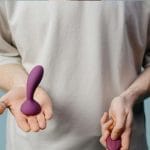
Some men prefer to use a prostate or perineal massager designed to apply consistent pressure or vibration. These devices rest comfortably between the scrotum and anus and can make self-massage easier.
When choosing a device:
✅ Select medical-grade silicone or stainless steel for hygiene and comfort.
✅ Look for a shape that fits snugly under the scrotum.
✅ Start with the lowest vibration setting, if applicable.
✅ Clean before and after each use with mild soap and warm water.
Using a massager doesn’t mean giving up mindfulness — it simply adds consistency and can free your hands to focus on relaxation.
Ready to Elevate the Pleasure?
If you want to take your experience to the next level, why not explore the benefits of a prostate massager? These devices are designed to enhance pleasure and stimulation with ease. Check out our reviews of the best prostate massagers here to find the perfect one for you!
Safety and Medical Considerations for External Prostate Massage
⚠️ Avoid external prostate massage if you have:
- Active urinary or prostate infection
- Hemorrhoids or anal fissures
- Recent pelvic surgery
- Unexplained pelvic pain or swelling
Always begin gently and never push through pain.
If you experience persistent discomfort, consult a medical professional or read our article on prostatitis treatment and relief.
💧 After your session, drink water and move gently — a short walk or some light stretching can help you feel settled.
Common Myths About External Prostate Massage
Myth 1: It’s purely sexual.
→ Reality: Many men use external prostate massage simply to relax and unwind.
Myth 2: It’s unsafe.
→ Reality: Done externally and gently, it’s low-risk for most healthy men. Skip it if you have any of the conditions listed above.
Myth 3: Only internal massage counts.
→ Reality: External massage is gentler and less direct, but many men find it satisfying — and it’s the easier place to start.
Myth 4: It’s embarrassing to try.
→ Reality: Getting to know your body is a normal part of men’s health and self-care.
Professional and Therapeutic Use
Pelvic floor physical therapists sometimes use gentle perineal release techniques to help with chronic pelvic tension. According to Cleveland Clinic, relief that men once credited to prostate massage most likely came from relaxing the pelvic floor muscles, and pelvic floor physical therapy is now the recommended route for that kind of pain.
If you’re uncertain about technique or safety, consulting a professional can help you learn proper pressure, rhythm, and breathing — building confidence in your self-care practice.
Aftercare and Integration
After completing external prostate massage, take a few minutes to rest. Notice how your pelvis feels — warm, light, or relaxed.
Some men find gentle stretching, slow breathing, or a warm shower helps integrate the experience.
Avoid over-stimulation; one or two sessions per week is enough for most people.
Keeping a brief journal can also help you track comfort, sensations, and emotional responses over time — deepening your understanding of how your body reacts to relaxation and touch.
For more gentle, consent-focused guides like this one, browse our intimate wellness massage guides.
Frequently Asked Questions
Can external prostate massage cause orgasm?
It can for some men, though it isn’t the goal and many don’t. The perineum has plenty of nerve endings and sits close to the prostate, so steady pressure can be arousing. Men who do reach orgasm this way sometimes describe it as deeper or more wave-like than usual, but experiences vary widely. Focus on comfort and relaxation rather than a result.
Is it safe for beginners?
For most healthy men, yes. Because there’s no insertion, external massage is a low-risk place to start. Wash your hands, trim your nails, use light pressure, and stop if anything feels sharp or painful. Skip it if you have a urinary or prostate infection, hemorrhoids or anal fissures, or recent pelvic surgery, and check with your doctor first if you have ongoing pelvic pain.
How often should you massage the prostate?
There’s no medical guideline. Many men find once or twice a week comfortable, while others enjoy it less often. Pay attention to how your body feels afterward: mild tenderness after a first session can be normal, but soreness that lingers is a sign to go lighter or take a longer break. If pain keeps coming back, talk to your doctor.
Can prostate massage improve erections?
There isn’t good evidence that it does. Some men find that relaxing the pelvic floor makes sex feel more comfortable, but external prostate massage isn’t a treatment for erectile dysfunction. Mayo Clinic notes that erection problems can be an early warning sign of heart disease, so if they’re ongoing, see your doctor rather than trying to fix them with massage.
Do I need a device?
No. Your fingertips work well, and they let you feel exactly how much pressure you’re using. Some men like a perineal massager because it keeps the pressure steady and frees their hands to relax. If you try one, choose medical-grade silicone or stainless steel, start on the lowest setting, and clean it before and after each use.
Can you stimulate the prostate externally without internal touch?
Yes. The perineum sits just below the prostate, so pressure there reaches it indirectly. The sensation is gentler and less direct than internal massage, which is why many beginners prefer to start here. Find the soft spot between the scrotum and anus, use light circular or up-and-down strokes, and build pressure slowly as you relax.

🔗 Related Articles
Prostatitis Treatment and Relief: What Every Man Should Know About Prostate Inflammation
What Does Prostate Massage Feel Like?
How to Use a Prostate Massager
What Happens If You Get An Erection During A Massage?
Conclusion: A Simple Practice for Prostate Health and Relaxation
Incorporating external prostate massage into your self-care routine doesn’t require complex tools or clinical settings — just patience, curiosity, and a mindful touch. Whether your goal is relaxation, pleasure, or a better understanding of your body, this gentle practice can be a calming addition to your week.
Remember, every body is different. Explore slowly, listen to your comfort levels, and treat the experience as a form of relaxation rather than performance. Done gently and safely, external prostate massage can become a grounding ritual you look forward to — and if you ever have prostate or urinary symptoms, your doctor is the right first stop.
Reviewed October 2025 by April Merrick, Wellness Editor
📚 References
- Healthline – Benefits of Prostate Massage Therapy Explained
- Cleveland Clinic – What Is a Prostate Massage and Are There Benefits?
- Mayo Clinic – Prostatitis Overview
- Mayo Clinic – Benign Prostatic Hyperplasia (BPH): Symptoms and Causes
- Mayo Clinic – Erectile Dysfunction: A Sign of Heart Disease?
Ready to Elevate the Pleasure?
If you want to take your experience to the next level, why not explore the benefits of a prostate massager? These devices are designed to enhance pleasure and stimulation with ease. Check out our reviews of the best prostate massagers here to find the perfect one for you!
⚠️ Disclaimer:
This article is for informational purposes only and does not constitute medical advice. Always consult with a licensed healthcare provider or certified massage therapist before beginning any new treatment, especially if you have pre-existing health conditions or concerns.