
Post-Surgery & Medical Massage: Recovery, Healing & Pain Relief
Recovering from surgery or managing a medical condition can place a lot of strain on your body. Post-surgery and medical massage techniques are designed to support healing gently and safely, helping you manage pain, reduce swelling, improve circulation, and restore comfortable movement. Whether you’re recovering from orthopedic surgery, abdominal procedures, breast surgery, or dealing with chronic pain or medical restrictions, the right massage approach can make the healing process feel less overwhelming.
This category brings together evidence-informed guides that explain how massage supports tissue repair, what techniques are safe during different healing stages, and when hands-on work should be avoided. You’ll learn how to manage post-op tightness, ease nerve pain, reduce fluid buildup, and support your body as scar tissue forms and remodels. These articles are written to be easy to follow at home, while also making it clear when professional care is recommended.
Healing takes time, but the more confidently you understand your body’s recovery needs, the smoother that journey becomes. Explore the resources below to find techniques tailored to your specific stage of recovery.
Explore Articles in This Category
Below you’ll find step-by-step guides on post-surgery massage, medical massage techniques, reducing pain, supporting mobility, and promoting healthy tissue recovery.
Articles
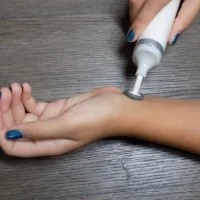 How to Massage Scar Tissue to Break it Down & Help Your Body Heal
Scar tissue is a normal part of the body’s healing process, but over time it can feel tight, uncomfortable, or restrict movement in the surrounding area. Learning how to massage scar tissue correctly may help improve tissue flexibility, reduce stiffness, and support better mobility when done gently and consistently. Scar massage isn’t about forcing…
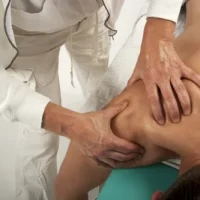 Relieve Post-Surgery Pain with Massage: How to Reap the Benefits Safely
Massage therapy can be a beneficial post-operative tool for many patients, but knowing when it is safe to receive a massage after surgery is important. In the right circumstances, massage therapy can help reduce pain and inflammation, improve circulation, and aid healing. This article will discuss the factors to consider when determining if massage…
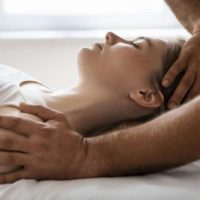 Can You Massage Your Lymph Nodes When Sick? Essential Safety Guide
When you’re sick, your body has a way of letting you know something isn’t quite right. You might feel run down, congested, or notice tender areas around your neck, jaw, or under your arms. These are often your lymph nodes — and when they swell, it can be uncomfortable enough to make you wonder if you should do something about it. A common question…
 How to Massage After Breast Augmentation: Proven Tips for Optimal Recovery
If you’ve recently undergone breast augmentation—or you’re preparing for surgery—you’ve probably heard the terms “drop and fluff,” “post-op massage,” and “implant settling.” While breast massage isn’t required for every patient, many surgeons still recommend it as part of a personalized recovery plan. When performed safely and at the right stage of…
 How To Massage Scar Tissue After Breast Surgery? Expert Tips
Massaging scar tissue after breast surgery is a simple yet effective way to enhance healing, reduce tightness, and improve scar flexibility. With the right techniques, you can help soften scar tissue, prevent adhesions, and promote a smoother, less visible scar over time. Always consult with your healthcare provider before starting scar massage, an…
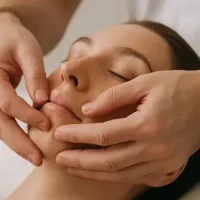 A Massage Therapist’s Guide to Understanding Lip Filler Migration: When Massage Helps vs. Harms
As a massage therapist with over 10 years of clinical experience, I’ve seen firsthand how facial tissues respond to various treatments—including cosmetic fillers. When clients ask me about massaging their lip fillers, especially when they’ve noticed migration, I always emphasize one thing: professional knowledge matters. In this comprehensive guide…
 How to Self Massage After Lipo 360: A Powerful Recovery Guide
Recovering from Lipo 360? Self massage can be a powerful tool to ease discomfort, reduce swelling, and support a smoother healing process. While post-surgical tenderness is common, learning how to self massage after Lipo 360 can help improve circulation, prevent fluid buildup, and promote lymphatic drainage. In this guide, we’ll walk you through sa…
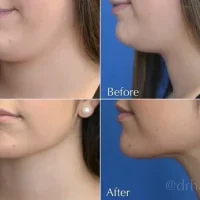 How to Reap Maximum Benefits from Massage After Chin Lipo
If you’ve recently undergone chin liposuction, you may be wondering how to massage the area in order to reduce swelling and promote healing. Massaging after chin lipo is an important part of the recovery process, and this step-by-step guide will show you how to do it correctly. We’ll cover the types of massage to use, the proper techniques, and whe…
Frequently Asked Questions
Is it safe to massage after surgery?
Massage can be safe and helpful after surgery, but timing matters. Most surgeons recommend waiting until incisions are fully closed and early swelling has settled. Gentle lymphatic drainage or light-touch techniques may be appropriate sooner, while deeper work should only begin with medical approval. Always follow your surgeon’s post-op timeline and ask before starting any massage routine.
What type of massage helps with post-surgery swelling?
Manual lymphatic drainage (MLD) is the most effective technique for reducing post-surgical swelling. It uses slow, rhythmic strokes to stimulate lymph flow and move excess fluid away from the affected area. MLD is especially helpful after cosmetic, orthopedic, and abdominal surgeries. For best results, avoid firm pressure and keep movements light and superficial.
Can massage help with scar tissue?
Yes — once your surgeon clears you, massage can help soften scar tissue, improve flexibility, and reduce tightness around the incision. Techniques like cross-fiber friction and gentle circular motions encourage collagen remodeling. Scar massage should never be painful, and it’s important to avoid any area that is red, open, or not fully healed.
Does massage help with nerve pain after surgery?
Massage may help calm irritated nerves by reducing muscle guarding, improving blood flow, and easing surrounding tissue tension. Techniques like gentle compression, light friction, and slow stretching can help reduce nerve-related discomfort. However, sharp, shooting, or worsening nerve pain should always be assessed by a healthcare professional.
⚠️ Disclaimer:
This article is for informational purposes only and does not constitute medical advice. Always consult with a licensed healthcare provider or certified massage therapist before beginning any new treatment, especially if you have pre-existing health conditions or concerns.