

Lymphatic drainage massage is a gentle, hands-on technique that encourages lymph fluid to move toward your lymph nodes. Doctors and therapists mainly use it to manage swelling, especially lymphedema after cancer surgery, and many people also use a gentle version at home to ease puffiness after a long flight or a day on their feet. This guide shows you how to do lymphatic massage at home, step by step.
Also known as manual lymphatic drainage (MLD), it uses very light, slow strokes rather than deep pressure. Below you’ll learn how it works, what the evidence does and doesn’t support, how to do it safely on yourself, and when to skip it or see a doctor.

Table of Contents
What Is Lymphatic Drainage Massage?
Your lymphatic system is an essential part of your immune and circulatory systems. It carries lymph — a clear fluid containing white blood cells, proteins, and waste — through a network of vessels and nodes. Unlike blood, lymph doesn’t have a pump like the heart. It relies on muscle movement, breathing, and manual stimulation to keep flowing.
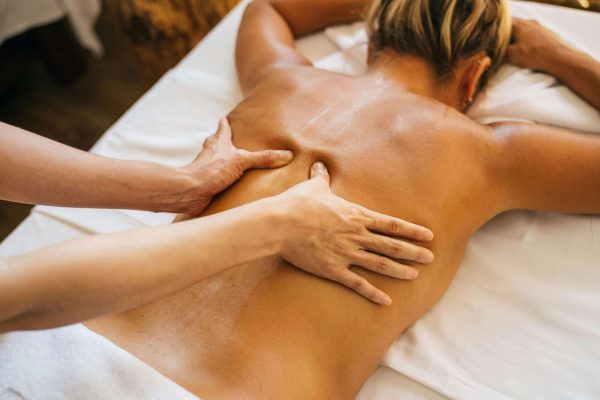
Lymphatic massage uses light, rhythmic strokes to help move lymph toward key drainage points in the body, like the neck, armpits and groin. The technique was developed in the 1930s by Dr. Emil Vodder. According to Cleveland Clinic, it’s mainly used to help reduce lymphedema, a type of swelling that can follow lymph node removal during cancer surgery, alongside other treatments such as compression garments.
Unlike deep tissue or Swedish massage, manual lymphatic drainage uses feather-light pressure and slow, sweeping movements. It’s not about working deep into the muscles — it’s about helping the body do what it does naturally, just more efficiently.

Lymphatic Drainage Massage Benefits: What the Evidence Says
People try lymphatic massage for many reasons, from swelling after surgery to everyday puffiness. The strongest evidence is for lymphedema, where it’s used as part of a wider treatment plan. For other uses the evidence is limited, and Cleveland Clinic notes that if you don’t have lymphedema, you may not notice much difference. Here’s what it may help with:
Lymphedema – As part of a treatment plan from your doctor or a certified lymphedema therapist
Mild swelling – Such as puffy ankles after a long flight or sitting all day
A puffy, bloated feeling – Some people find it helps, though research is limited
Relaxation – Slow, gentle strokes feel calming for many people
For example, after a long flight or a day on your feet, gentle strokes from the ankles up toward the knees and groin may help your legs feel less heavy. Some people also find a short, gentle abdominal massage soothing when they feel bloated. Results vary, and it won’t replace medical treatment for swelling that doesn’t go away.
How to Do Manual Lymphatic Drainage at Home
Doing manual lymphatic drainage at home is simple once you know the basics. Here are the key principles to follow:
Technique Tips:
Clear the nodes first — Start at your neck and collarbone, then the armpits or groin, before working on the area you want to drain
Use light pressure — Lymph vessels are just below the skin, so gently stretch the skin rather than pressing into muscle
Move toward lymph nodes — Always stroke in the direction of natural lymph flow
Be slow and rhythmic — Think of gentle waves, not quick rubbing
Stay hydrated — Drink water as part of your normal routine
🛠️ Tools You Can Use:
- Jade roller or gua sha – Great for face and neck
- Dry brush – Ideal for full-body drainage before a shower
- Massage oil – Light oils like jojoba or grapeseed help with glide
- Silicone cups – Used in lymphatic cupping (advanced, optional)
Some people like dry brushing before a shower, using light strokes toward the heart. There’s little research on it, so keep it gentle and skip irritated or broken skin. Gua sha tools are often used on the jawline and under the eyes. Silicone cups aren’t part of traditional MLD, so check with a therapist before using them on areas with ongoing swelling.

Step-by-Step: Lymphatic Drainage Massage for Key Areas
Neck & Shoulders
Start with your neck. Clearing the lymph nodes above your collarbone first makes room for fluid from the rest of your body.
- Place fingers just under the ears
- Sweep down the sides of the neck toward the collarbone
- Repeat 5–10 times, staying gentle
Arms & Underarms
- Start with 5–10 slow, gentle circles in your armpit
- Stroke from just above the elbow up toward the armpit
- Then stroke from the wrist up to the elbow, and finish with a few more strokes from the elbow to the armpit
Abdomen
- Place your hands around your navel
- Massage in gentle, clockwise circles
- Then sweep hands diagonally up and outward toward the groin
Many people find this soothing when they feel bloated.
Legs
- Start with a few gentle strokes in the crease where your thigh meets your hip (the groin)
- Stroke from just above the knee up toward the groin
- Use small, gentle circles behind the knees
- Then stroke from the ankles up toward the knees, and finish with a few more strokes from the knee to the groin. For more on puffy legs, see how to massage swollen feet and legs.
Face
For facial puffiness — especially under the eyes or jaw — face lymphatic massage uses outward strokes toward the ears and down the neck.
👉 Want a step-by-step guide to face lymphatic massage?
Read our full face massage tutorial here »
What to Expect Before and After
After a lymphatic massage, it’s normal to experience:
- Feeling relaxed or a little sleepy
- Feeling thirsty, so keep some water nearby
- A lighter feeling in areas that were puffy
If you find it helpful, a short session two or three times a week is a reasonable routine. If you have lymphedema or swelling after surgery, follow the schedule your doctor or certified lymphedema therapist gives you.
Who Should Get Professional Lymphatic Massage?
While a gentle home routine is fine for many people, there are times when it’s best to seek help from a trained therapist. According to Memorial Sloan Kettering Cancer Center, certified lymphatic massage therapists are especially helpful for:
- Swelling after surgery, such as liposuction, mastectomy or a C-section (see our guide to when it’s safe to get a massage after surgery)
- Managing lymphedema, especially after cancer treatment
- Chronic swelling or circulation problems
- Rehabilitation after an injury
If you’re unsure whether you’re doing it right, a certified lymphedema therapist (CLT) can show you the technique and tailor it to you.

Lymphatic Massage Tools at a Glance
| Tool | Best For | Pros | Notes |
|---|---|---|---|
| Hands | All-over, gentle daily use | Always available, no cost | Most intuitive |
| Dry Brush | Legs, arms, pre-shower | Boosts circulation, exfoliates | Avoid sensitive areas |
| Jade Roller | Face, neck | Cooling, calming | Use with serum or oil |
| Gua Sha | Jawline, cheeks | Contouring, lymph release | Requires proper angle |
| Massage Cups | Deep lymph stimulation | Vacuum pressure, relaxing | Avoid bruising, not MLD |
When to Avoid Lymphatic Massage
While gentle lymphatic massage is low risk for most people, skip it and talk to your doctor first if you have:
A blood clot or deep vein thrombosis (DVT), or a history of them
An active infection, cellulitis or a fever
Heart disease, including congestive heart failure
Kidney failure
A history of stroke
Cancer, unless your care team has cleared it, and never directly over a tumor or skin treated with radiation
Recent surgery, unless your surgeon has approved it
Always consult a healthcare provider before starting any new therapy, especially if you have a medical condition.
When to See a Doctor About Swelling
Lymphatic massage isn’t a substitute for medical care. Call your doctor if:
- Swelling appears in one leg or arm, especially with pain, warmth or redness, which can be signs of a blood clot (DVT)
- Swelling doesn’t go down, keeps coming back, or gets worse
- You notice swelling in an arm or leg after cancer treatment or lymph node removal, as this can be an early sign of lymphedema
Call 911 if you have sudden shortness of breath, chest pain that gets worse when you breathe in or cough, fainting, a racing heartbeat, or you cough up blood. These can be signs of a blood clot in the lungs (pulmonary embolism).
Looking for a different kind of relaxing massage? Traditional Thai massage combines gentle stretching with rhythmic pressure along the body.
Final Tips for Best Results
Stay hydrated — drink water as part of your normal routine
Be gentle — lymph vessels are delicate
Use consistent strokes — always toward lymph nodes
Combine with movement and breathing — walking and deep breathing help lymph move naturally
Be consistent — a short, regular routine is easier to keep up than an occasional long session
Whether you’re easing puffy legs after a long day or following a plan from your therapist after surgery, lymphatic massage is a gentle, low-effort practice. It’s not a quick fix. Think of it as one small, calming part of your routine.

❓Frequently Asked Questions About Lymphatic Drainage Massage
What does a lymphatic massage do?
Lymphatic massage uses light, slow strokes to move lymph fluid toward your lymph nodes. Its best-supported use is reducing lymphedema, often after cancer surgery, as part of a wider treatment plan. Many people also use it for mild puffiness or simply to relax, though the evidence for those uses is limited.
Is lymphatic massage safe to do at home?
For most healthy adults, yes, as long as you keep the pressure very light and stroke toward the lymph nodes. Skip it if you have a blood clot, an infection or fever, heart or kidney problems, or active cancer, and check with your surgeon before using it after an operation.
Can lymphatic drainage help with weight loss?
Not directly. Lymphatic massage doesn’t burn fat. It may ease temporary puffiness or a bloated feeling, which can make you feel lighter, but any change on the scale is likely to be water and short-lived. Regular activity and a balanced diet are what support lasting weight changes.
How often should I do lymphatic drainage massage?
For general relaxation or mild puffiness, a short session two or three times a week is plenty. If you’re managing lymphedema or swelling after surgery, follow the schedule your doctor or certified lymphedema therapist recommends, since they’ll tailor it to your recovery and may combine it with compression.
Do I need tools for lymphatic massage?
No, your hands are all you need. Some people like using a soft dry brush, a jade roller or a gua sha tool on the face and neck. Keep any tool gentle, since lymph vessels sit just under the skin, and avoid using tools on irritated, broken or recently treated skin.
Is lymphatic massage good for the immune system?
Your lymphatic system is part of your immune system, as the NIH explains, but there’s little evidence that massage makes it work better in healthy people. Lymphatic massage is best thought of as a gentle way to manage swelling and relax, not as an immune booster.
Can I combine lymphatic massage with other wellness practices?
Yes. Walking, deep belly breathing and gentle stretching all help lymph move naturally, because the lymphatic system relies on muscle movement and breathing. They pair well with a short lymphatic massage routine and are easy to add to your day, for example a short walk after your massage or a few slow breaths before you start.
💆 Lymphatic Massage Myth: “More Pressure = Better Results”
Firm pressure isn’t needed. Lymph vessels sit just under the skin, so therapists use light, slow strokes that gently stretch the skin. Think soft, sweeping movements, more like brushing water than kneading muscles.

✨ Ready to Explore More Massage Techniques?
Want to build your at-home wellness routine? Try these next:
Lymphatic Massage for Face: How to Reduce Puffiness
How to Massage Swollen Feet and Legs
Brazilian Lymphatic Drainage Massage Explained
Lymphatic Drainage Massage After a BBL
How to Self-Massage After Lipo 360
Massage and Inflammation: What the Research Says
📖 References
Cleveland Clinic. Lymphatic Drainage Massage.
What lymphatic drainage massage is used for, what to expect, and who should avoid it.
Healthline. Lymphatic Drainage Massage: What It Is and How to Do It
Details common techniques and at-home tips, reviewed by medical experts.
Memorial Sloan Kettering Cancer Center. Manual Lymphatic Drainage
Provides guidance for post-surgical lymphatic drainage, including for lymphedema patients.
National Institutes of Health. The Lymphatic System (via NCBI Bookshelf)
A deeper look at how the lymphatic system functions, from a scientific/clinical perspective.
Journal of Clinical Medicine. Effects of Manual Lymphatic Drainage in Patients with Lymphedema: A Systematic Review
Clinical data supporting the effectiveness of MLD in lymphedema management.
Mayo Clinic. Deep vein thrombosis (DVT): Symptoms and causes.
Warning signs of a blood clot and when to get emergency care.
⚠️ Disclaimer:
This article is for informational purposes only and does not constitute medical advice. Always consult with a licensed healthcare provider or certified massage therapist before beginning any new treatment, especially if you have pre-existing health conditions or concerns.




this was a really nice find